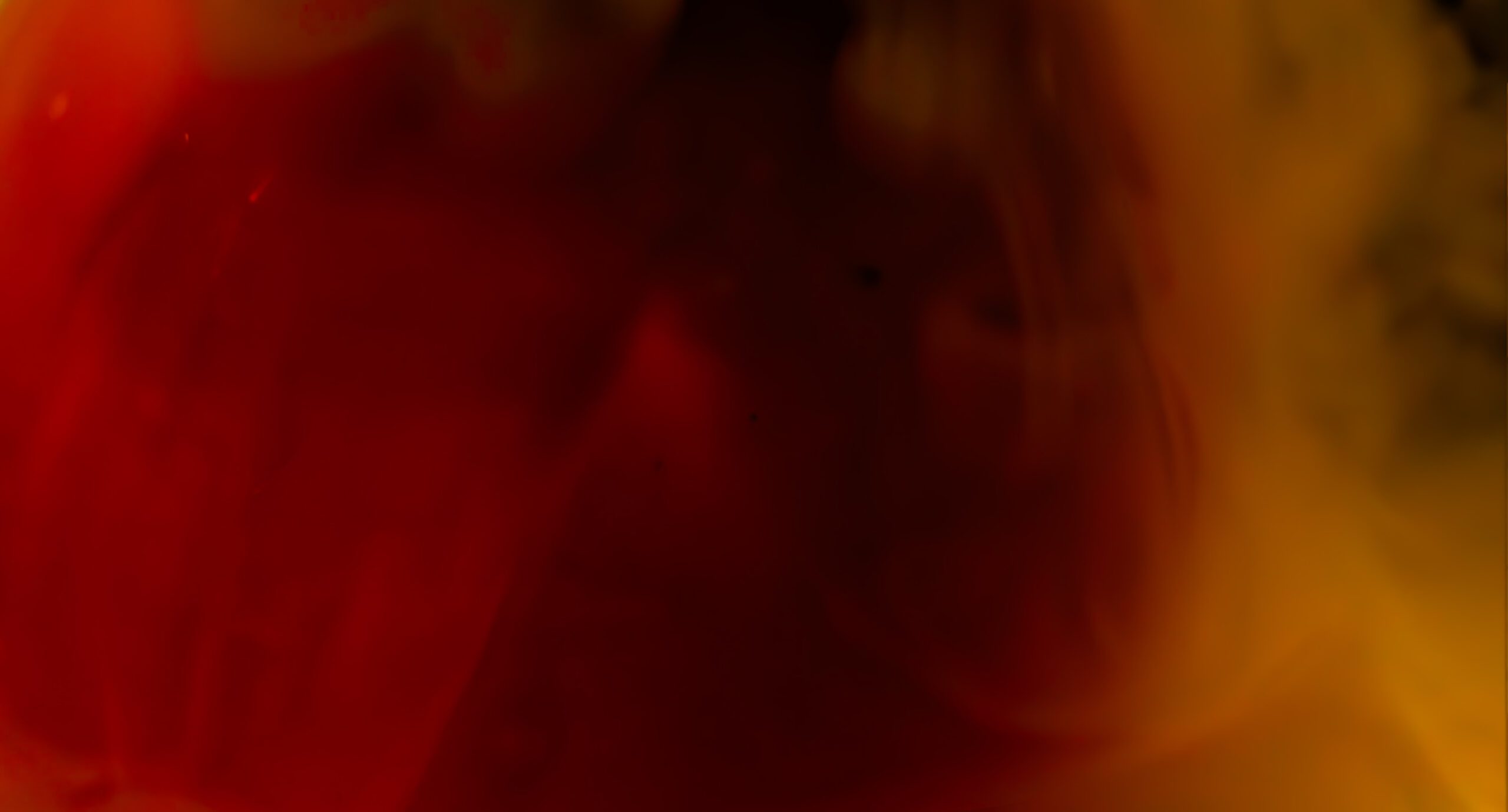
Occlusion
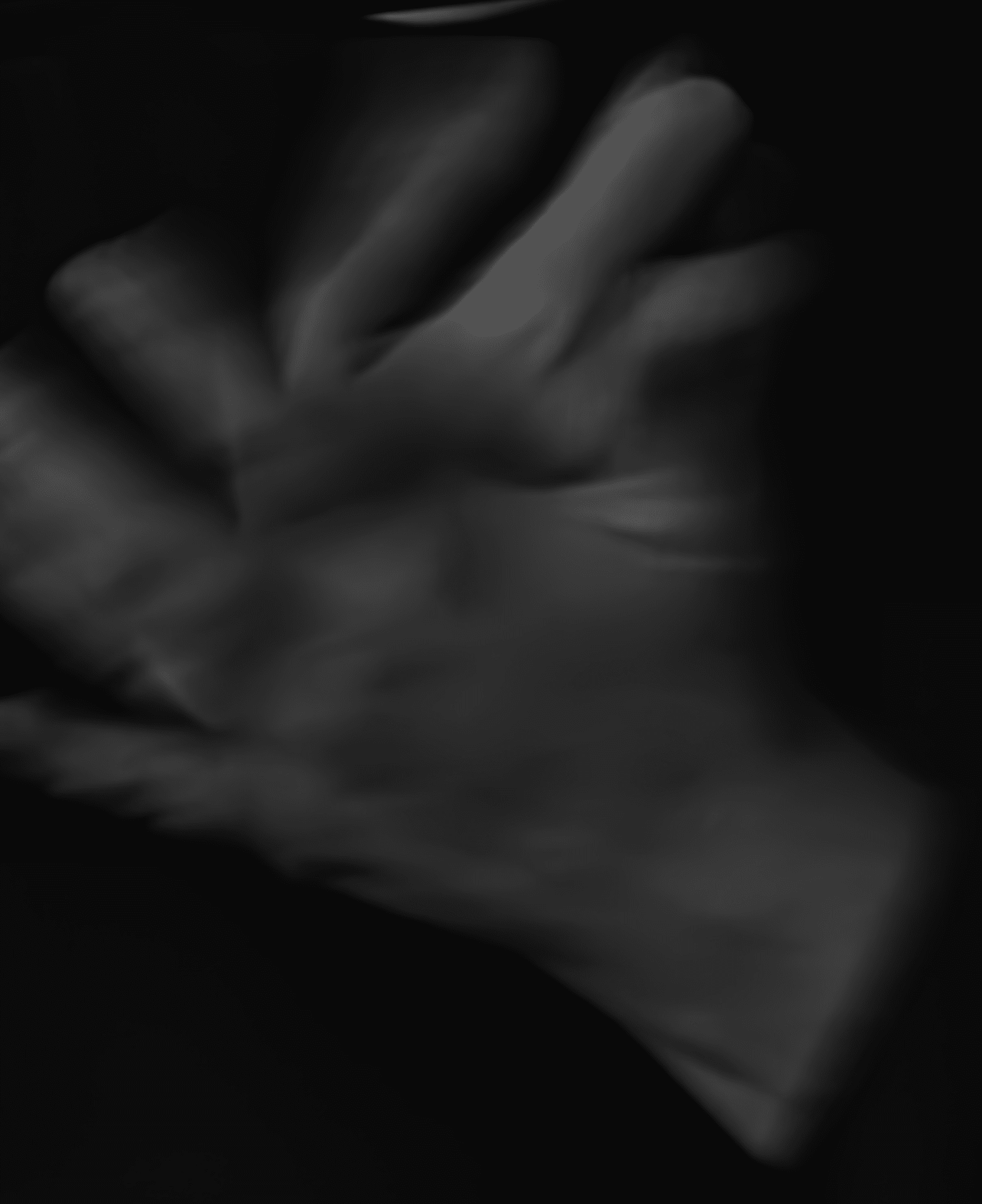
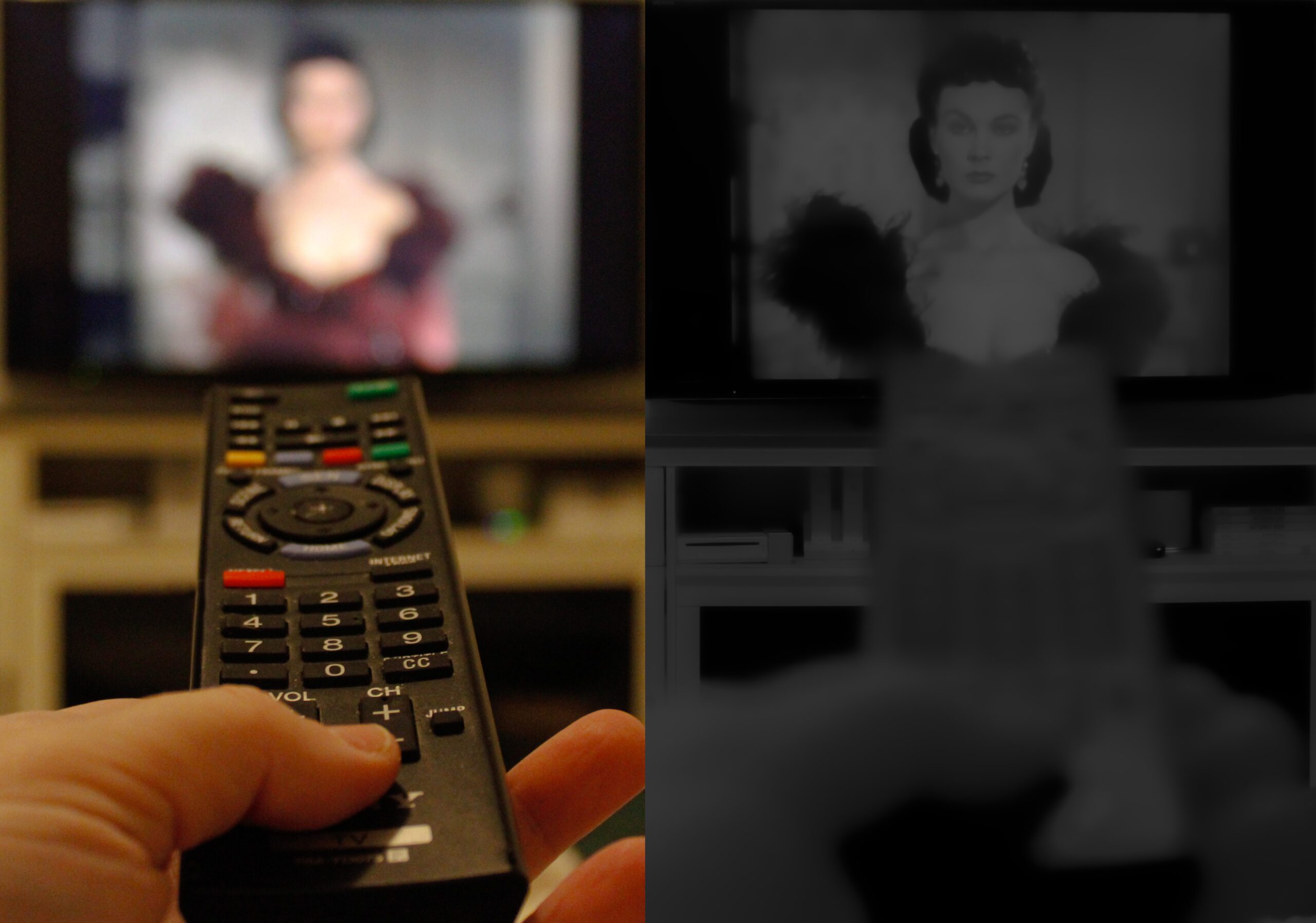
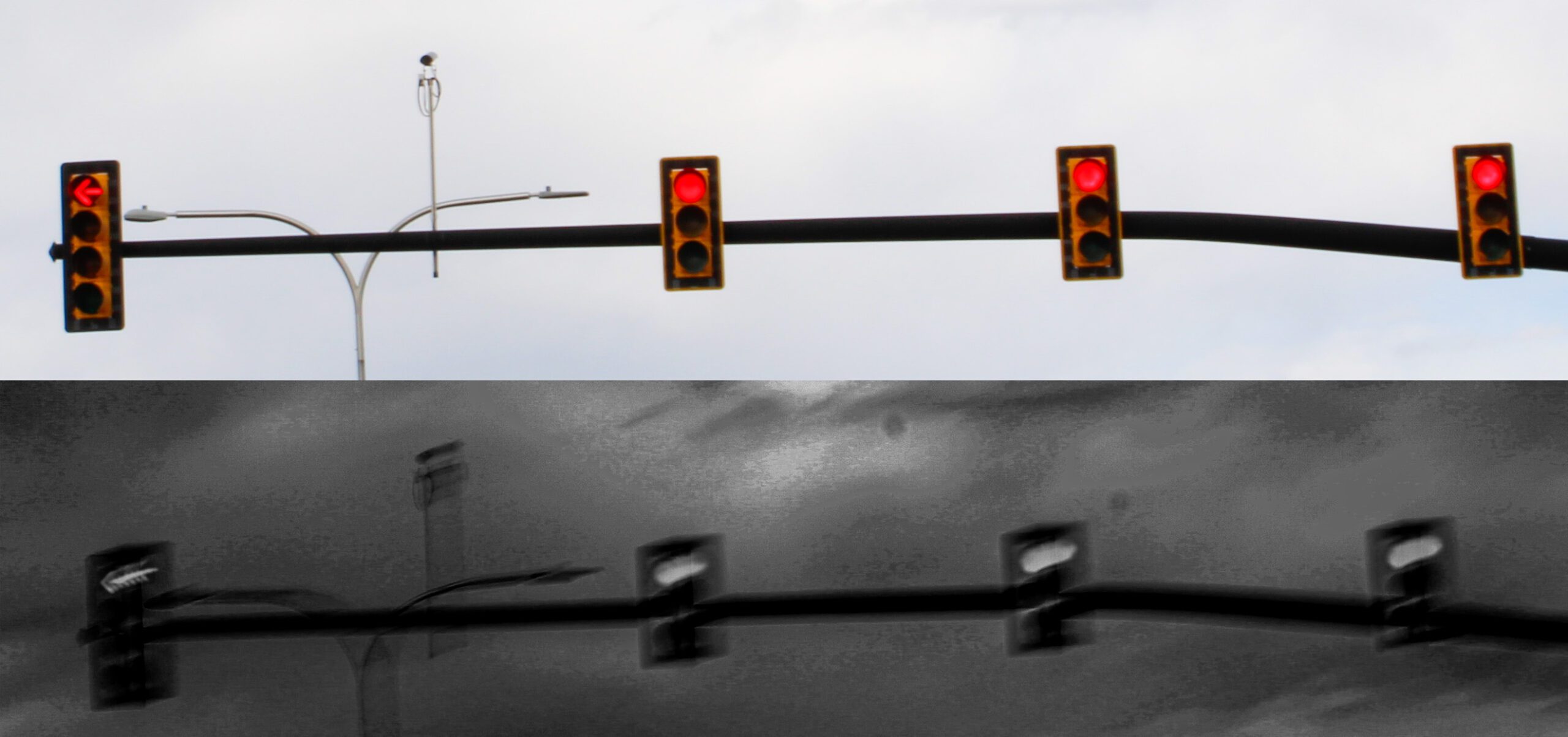
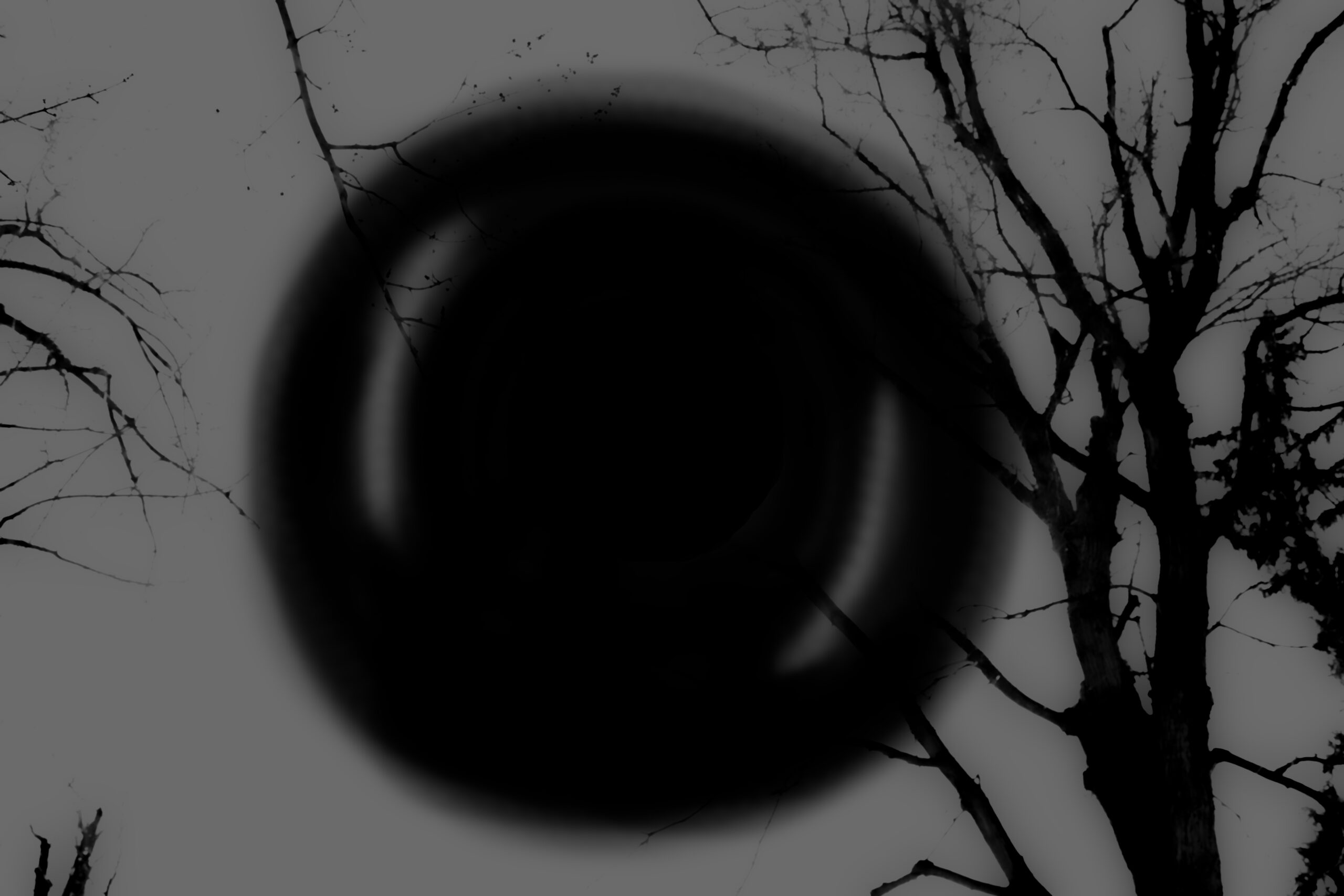
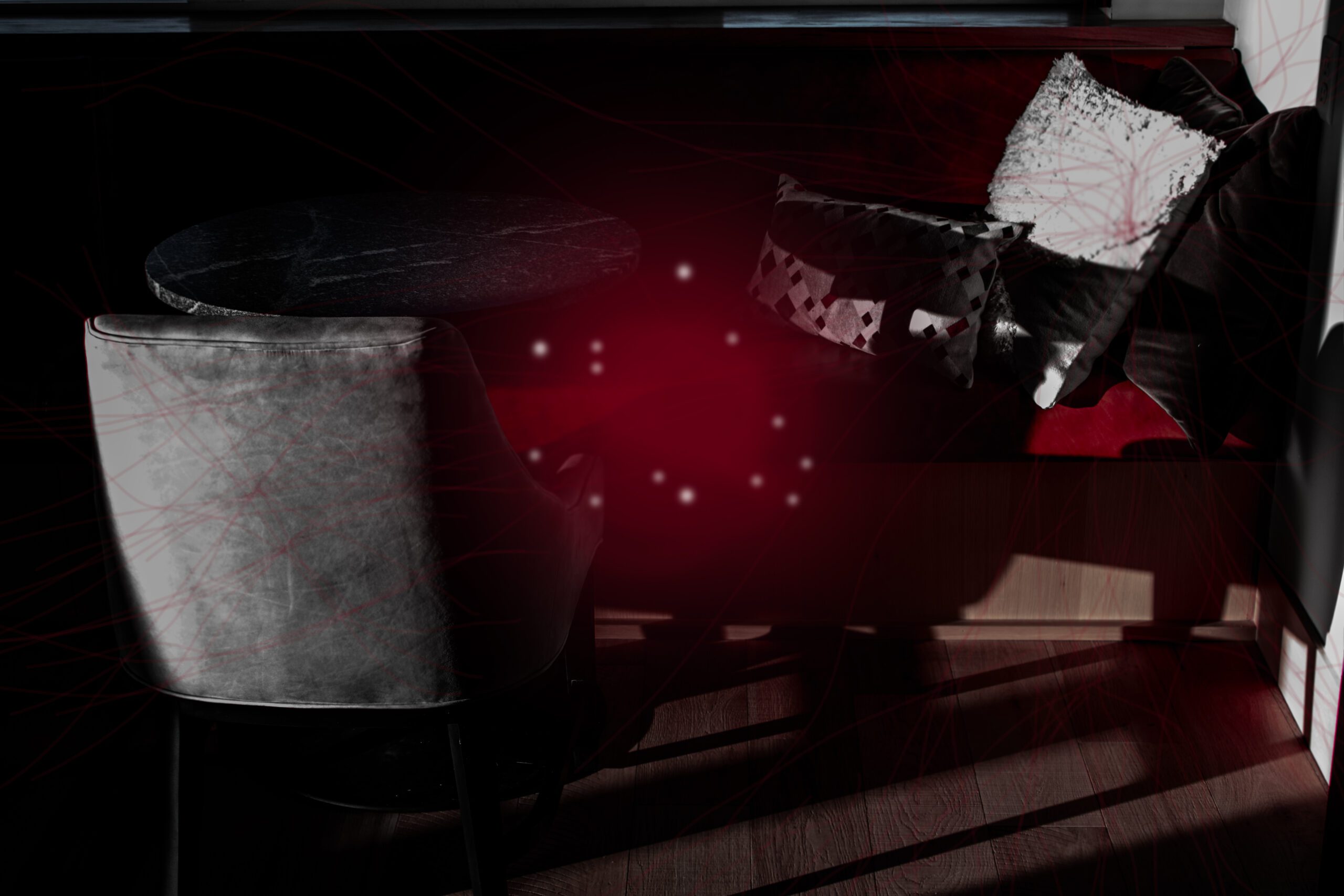
This series translates the unstable experience of wet macular degeneration through blur, obstruction, and red abstractions drawn from my great-grandmother’s descriptions of vision loss. The work explores blindness not as darkness, but as fragmentation, memory, distortion, and the emotional impossibility of fully understanding another person’s reality.
Artist Statement (Occlusion)
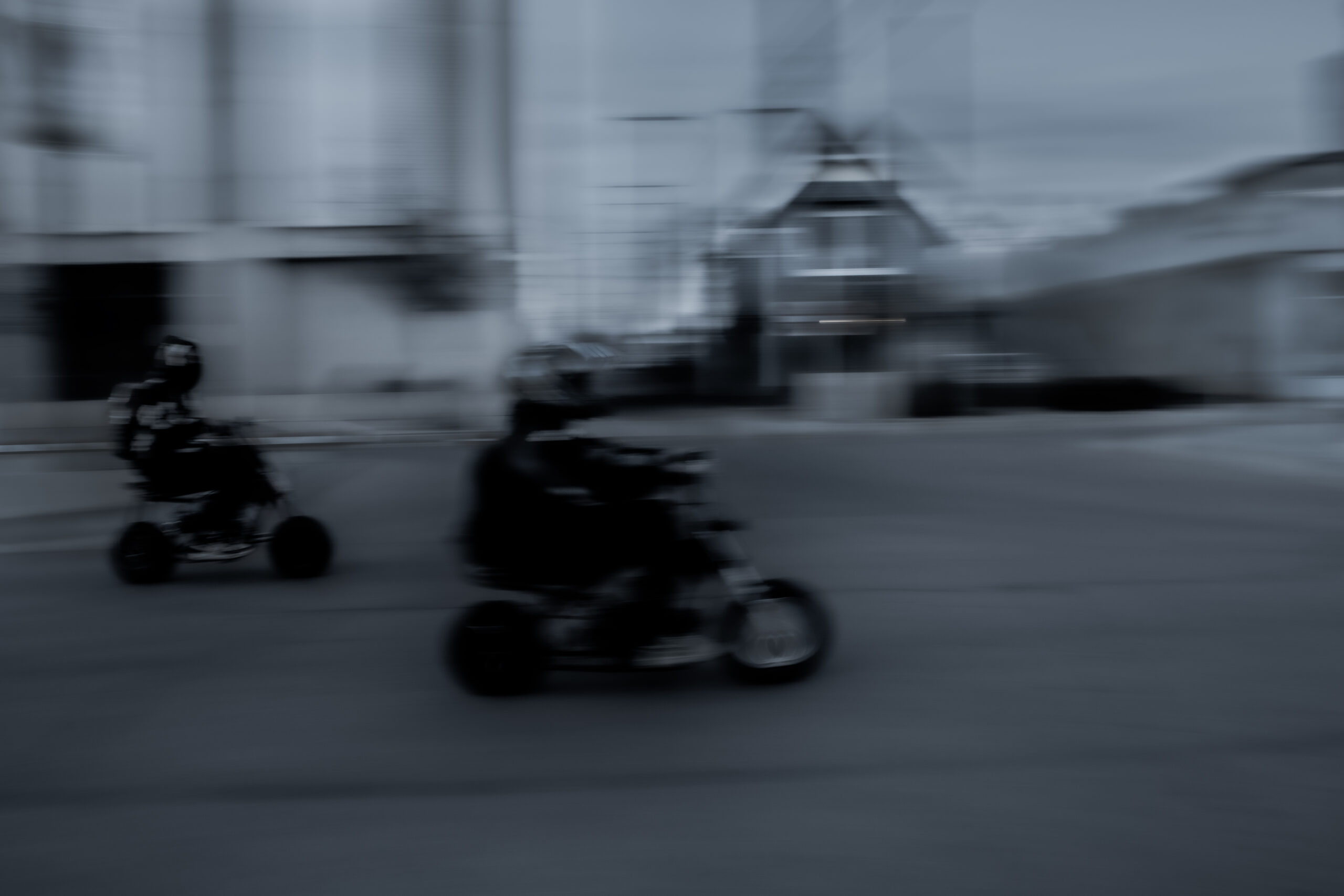
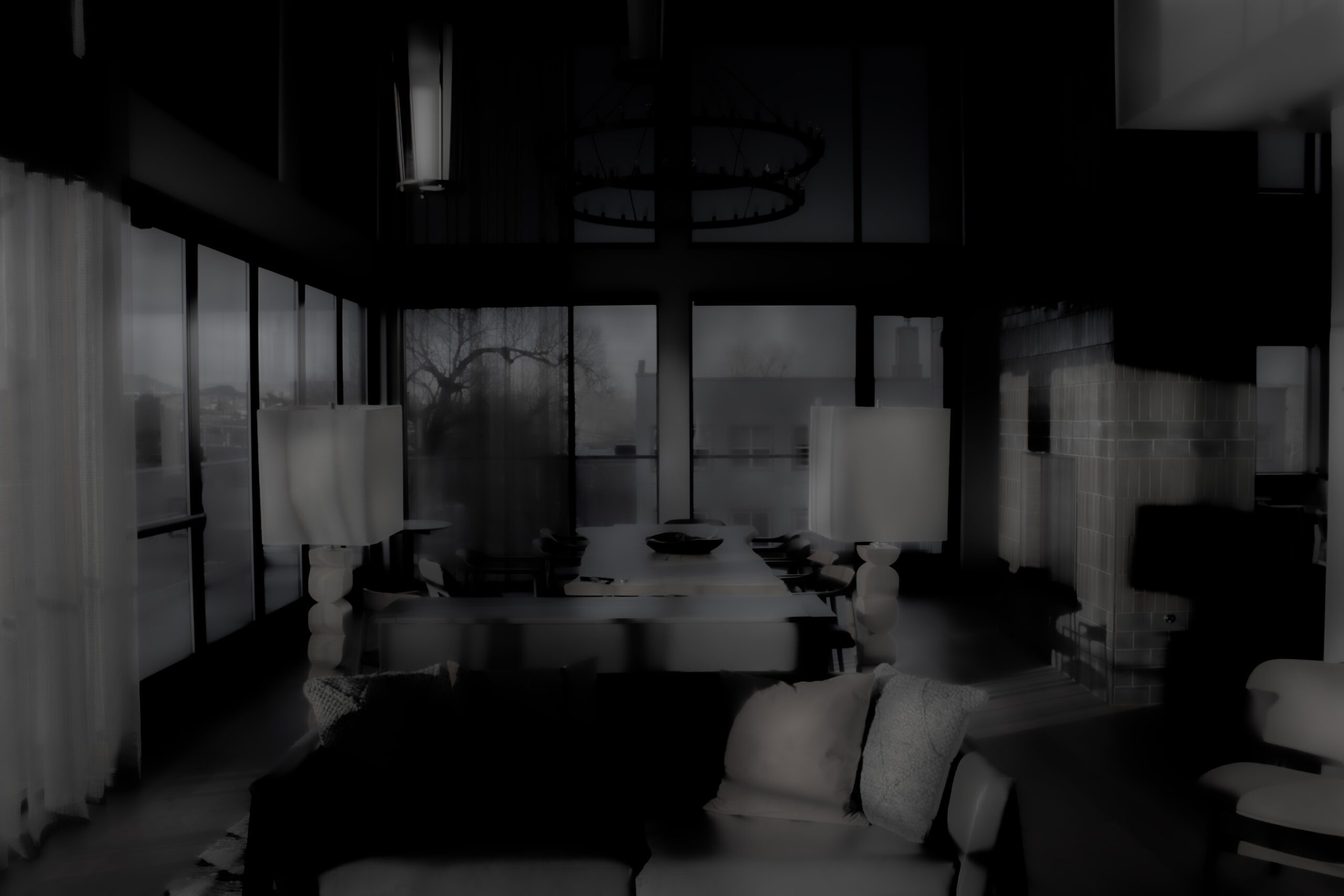
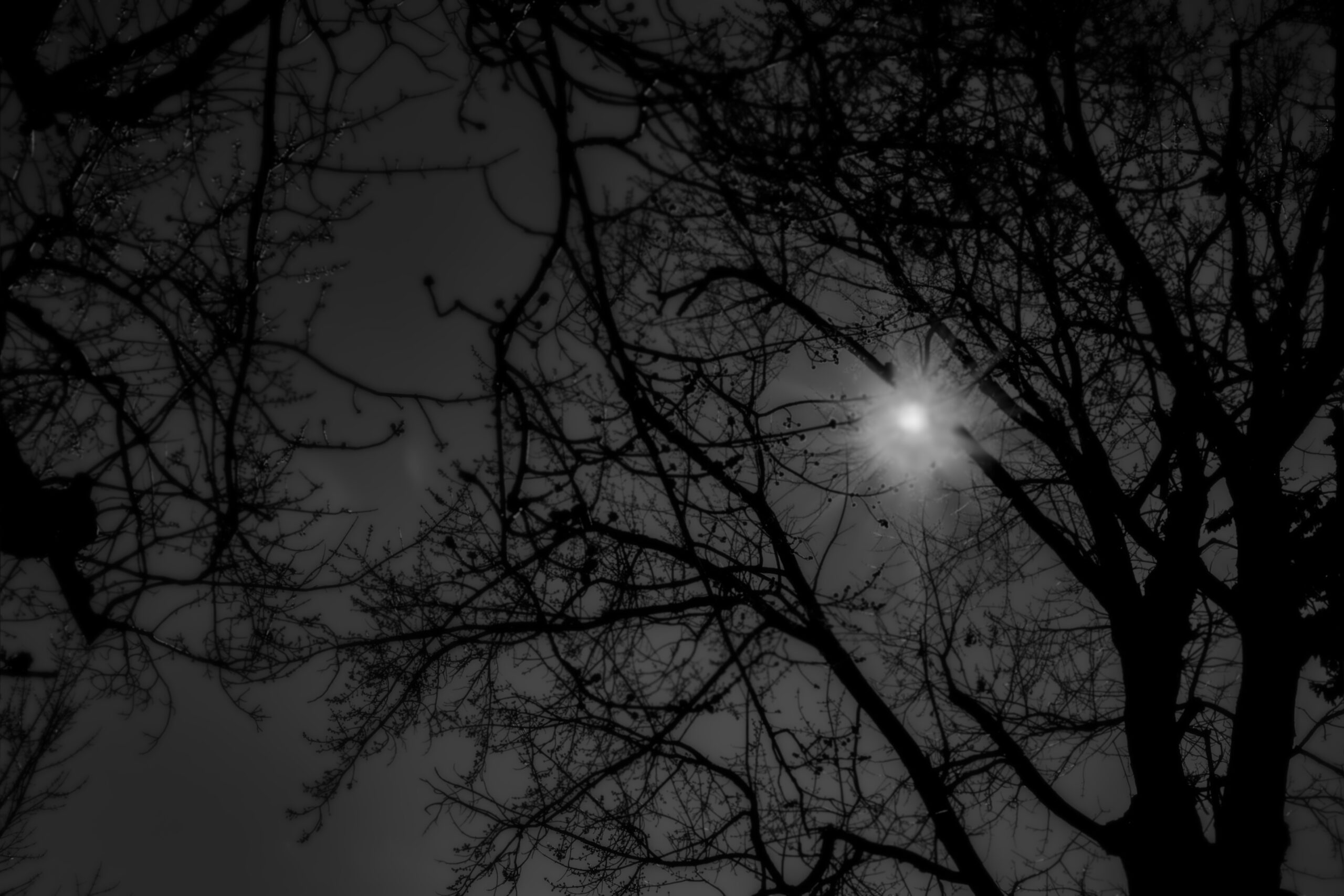
I exist for her now only as a memory that refuses to update. My great-grandmother suffers from wet macular degeneration, and over time she’s lost most of her vision because of it. I can see her, but she can no longer see me, and that was strange for me in ways I couldn’t explain at first. I realized I didn’t actually know what the world looked like or felt like to her now. Instead of photographing her, I tried to understand by photographing as if I was her, as if I could see what she saw. I wanted to know what my world would look like if I had the same eye disorder as her. Blindness is interruption, distortion, and fragments. Blindness is memory filling in the gaps that vision can’t translate anymore. Some images are blurred and distorted, some are partially blocked, some are replaced by dark shapes or greyed-out areas. The red lines and spots are also from her descriptions of what she actually sees. The work became less about simulating a condition and more about translating an experience. She will never see the work that reshaped how I see. That made me sit with pictures that are uncertain, disruptive, and unresolved. That taught me to accept that not everything needs to be completely understood for it to be incredibly meaningful. Vision is not reliable, it’s very fragile and ever-changing. This project isn’t about how we see, it’s also about how we feel and what we can empathize with. It’s about how we try, and sometimes fail, to fully understand someone else’s reality.